Scars. We all have them. They tell stories of past adventures, accidents, and sometimes, battles fought and won. But what if you want to conceal them, just for a day, an event, or simply for your own peace of mind? That’s where the best makeup to cover scars on body comes into play. It’s not just about hiding imperfections; it’s about empowering you to feel confident and comfortable in your own skin. Let’s dive into how to achieve flawless, scar-free skin with the magic of makeup.
Understanding Scars and Makeup’s Role
|
Our Picks for the Best Makeup Body in 2026
As an Amazon Associate I earn from qualifying purchases.
|
||
| Num | Product | Action |
|---|---|---|
| 1 | Westmore Beauty Body Coverage Perfector – Waterproof Leg & Body Makeup/Bronzer For Women - Best Tattoo Cover Up Makeup & Tattoo Concealer - 3.5 Oz Natural Radiance |

|
| 2 | Dermablend Leg and Body Makeup Foundation with SPF 25, 25W Light Sand, 3.4 Fl. Oz. |
|
| 3 | Westmore Beauty Body Coverage Perfector – Waterproof Leg & Body Makeup - Tattoo Cover Up Makeup - 3.5 Oz (Bronze Radiance) |
|
| 4 | Dermablend Leg and Body Makeup Foundation with SPF 25, 20N Light Natural, 3.4 Fl. Oz. |
|
| 5 | Dermablend Leg and Body Makeup Foundation with SPF 25, 40N Medium Natural, 3.4 Fl. Oz. |
|
| 6 | Waterproof Leg Makeup No Transfer - Body Scar & Leg Vein Cover Up for Black Skin, Tattoo Concealer for Varicose Veins (Wheat colored). |
|
| 7 | Dermablend Leg and Body Makeup Foundation with SPF 25, 10N Fair Ivory, 3.4 Fl. Oz. |
|
| 8 | Dermablend Leg and Body Makeup Foundation with SPF 25, 35C Light Beige, 3.4 Fl. Oz. |
|
| 9 | Dermablend Leg and Body Makeup Foundation with SPF 25, 0N Fair Nude, 3.4 Fl. Oz. |
|
| 10 | Sally Hansen Airbrush Legs®, Leg Makeup, Medium, Easy Application, Flawless Looking Legs, Water Resistant, Transfer Proof Lotion |
|
Before we jump into the techniques, let’s quickly understand what we’re dealing with. Scars come in various forms: keloid, hypertrophic, atrophic, and contracture scars. Each type reacts differently to makeup. The goal isn’t to erase them permanently (that’s a job for dermatologists!), but to create a smooth, even canvas. Makeup, when applied correctly, acts as a temporary camouflage, minimizing the appearance of scars. Think of it as a clever illusion, rather than a miracle cure.
Must-Have Products and Tools for Scar Coverage
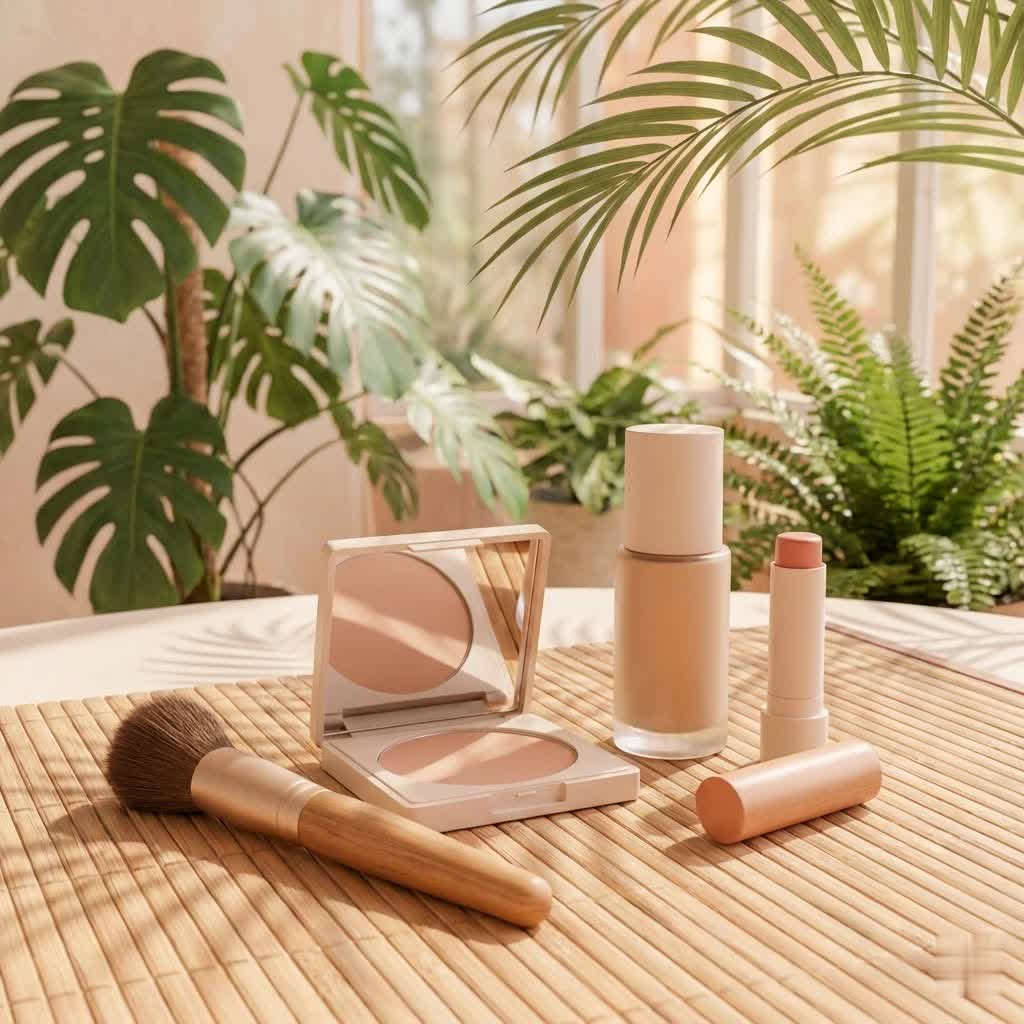
Okay, let’s stock your makeup arsenal. Here’s what you’ll need to create an “invisible” scar:
- Color Corrector: This is your secret weapon. Use green to neutralize redness in newer scars, and peach or orange for bluish or darker scars.
- Full Coverage Foundation: Opt for a long-wearing, buildable formula. Liquid or cream foundations work best, allowing for seamless blending.
- Concealer: A thick, highly pigmented concealer is crucial for targeting the scar’s texture and color.
- Setting Powder: This locks everything in place, preventing transfer and ensuring long wear. Translucent powder is a safe bet for all skin tones.
- Setting Spray: A final mist of setting spray adds extra staying power and a natural finish.
- Makeup Brushes and Sponges: A dense foundation brush and a small concealer brush are essential. A damp makeup sponge is perfect for blending.
“Don’t underestimate the power of a good makeup sponge,” advises Sarah Miller, a celebrity makeup artist. “It’s the key to a seamless, natural-looking finish.”
Step-by-Step Guide to Covering Scars on Your Body
Alright, time for the main event! Here’s a detailed guide to achieving impeccable scar coverage:
- Prep the Skin: Start with a clean, moisturized surface. Hydration is key for a smooth application.
- Color Correct: Apply a thin layer of color corrector directly onto the scar. Use a small brush or your fingertip to gently pat it in. Don’t rub!
- Apply Foundation: Using a dense foundation brush or a damp makeup sponge, apply a thin layer of full-coverage foundation over the entire area. Blend well, feathering the edges.
- Conceal the Scar: Use a small concealer brush to apply a generous amount of concealer directly onto the scar. Again, pat it in gently, building coverage as needed.
- Blend, Blend, Blend: This is where the magic happens. Use a damp makeup sponge to blend the edges of the concealer into the surrounding skin. The goal is a seamless transition.
- Set with Powder: Use a large, fluffy brush to apply a generous amount of setting powder over the entire area. This will lock everything in place and prevent creasing.
- Setting Spray: Finish with a generous mist of setting spray. This will meld everything together and create a natural, long-lasting finish.
Pro Tips and Tricks for Flawless Scar Coverage
Want to take your scar coverage to the next level? Here are a few insider tips:
- Layering is Key: Don’t try to apply everything at once. Build coverage gradually, layer by layer.
- Use a Stippling Motion: When applying foundation and concealer, use a stippling motion instead of rubbing. This will prevent the makeup from settling into the scar and accentuating its texture.
- Match Your Skin Tone: This may seem obvious, but it’s crucial to choose products that perfectly match your skin tone. Otherwise, the coverage will look unnatural.
- Set Sparingly: While setting powder is important, using too much can make the area look cakey. Use a light hand.
Looking for the best leg and body makeup for an even more flawless finish? Check out our other articles for recommendations!
Taking Care of Your Skin
Makeup is a fantastic tool, but it’s not a substitute for proper skincare. Keeping your skin healthy is essential for minimizing the appearance of scars and preventing future damage.
- Sun Protection: Always wear sunscreen, even on cloudy days. Sun exposure can darken scars and make them more noticeable.
- Moisturize Regularly: Keeping your skin hydrated will help it heal and reduce inflammation.
- Exfoliate Gently: Regular exfoliation can help remove dead skin cells and improve the texture of your skin. However, be gentle and avoid scrubbing the scar directly.
This is similar to how best full coverage body makeup works, focusing on creating a smooth, even surface.
Makeup Looks for Different Occasions
The beauty of makeup is its versatility. You can adapt your scar coverage routine to suit different occasions:
- Everyday Look: For a natural, everyday look, use a lighter coverage foundation and focus on blending the concealer seamlessly.
- Special Occasion: For a special event, you can use a heavier coverage foundation and add a touch of shimmer or highlighter to draw attention away from the scar.
- Swimwear: If you’re planning on wearing swimwear, opt for a waterproof foundation and concealer. Setting spray is a must!
Frequently Asked Questions (FAQ)
Q: Can makeup completely hide a scar?
A: While makeup can significantly minimize the appearance of scars, it’s unlikely to completely hide them. The goal is to create a smooth, even canvas and camouflage the scar’s color and texture.
Q: What is the best type of makeup for covering scars?
A: Full-coverage foundation and a highly pigmented concealer are essential for covering scars. Look for long-wearing, buildable formulas.
Q: How can I make my scar coverage last all day?
A: To make your scar coverage last all day, use a setting powder and setting spray. Avoid touching the area throughout the day.
Q: Can I use makeup on a new scar?
A: It’s best to avoid using makeup on a new scar until it has fully healed. Applying makeup to broken skin can increase the risk of infection.
Q: What if my scar is raised or textured?
A: If your scar is raised or textured, use a primer to smooth the surface before applying makeup. You may also need to use a thicker concealer to fill in any gaps or indentations.
Q: Is it okay to use self-tanner over a scar?
A: Be cautious when using self-tanner over a scar, as it may darken the scar more than the surrounding skin. Test the self-tanner on a small area first.
Q: Can I use makeup to cover scars on my face?
A: Yes! The same techniques and products can be used to cover scars on your face. Just be sure to choose products that are non-comedogenic (won’t clog pores).
Conclusion
Covering scars with makeup is an art form. It requires patience, practice, and the right products. But with these tips and techniques, you can achieve flawless, scar-free skin and feel confident and beautiful in your own skin. Remember, the goal is not to erase your scars completely, but to empower you to feel your best. So, go ahead, experiment, and discover the best makeup to cover scars on body that works for you! Don’t be afraid to try new things and find what makes you feel most comfortable and confident.
